
Freehold vs Leasehold: Understanding Property Titles in Thailand
Everything you need to know about different types of land titles in Thailand and their implications for foreign buyers.
JLT Estate
Phuket & Krabi Real Estate Expertise
Introduction: The Complexity of Thai Property Titles
Buying property in Thailand involves understanding a unique land tenure system, different from what we know in Europe. Thai land titles come in several categories, each offering a different level of legal security. For a foreign investor, mastering these distinctions is essential to secure your acquisition and avoid unpleasant surprises.
This detailed guide explains everything you need to know about freehold and leasehold in Thailand, existing land titles, and the options available to international buyers.

Types of Land Titles in Thailand
Thailand has a hierarchical land title system, from least to most secure. Here are the main titles you'll encounter:
Chanote (Nor Sor 4 Jor) — The Most Secure Title
The Chanote title (officially Nor Sor 4 Jor) is the most secure form of land ownership in Thailand. It grants full ownership of the land, with precise cadastral boundaries determined by GPS. The Chanote is recognized by Thai courts and offers maximum legal security.
Characteristics:
- ◆Full land ownership
- ◆Precise GPS cadastral boundaries
- ◆Freely transferable and transmissible
- ◆Registered at the Land Office
Nor Sor 3 Gor — An Intermediate Title
The Nor Sor 3 Gor title is a confirmed ownership title, with boundaries determined by aerial photography. It's almost as secure as Chanote, but boundaries are less precise.
Nor Sor 3 — Possession Title
The Nor Sor 3 title grants a confirmed right of possession, but without precise topographic survey. It's convertible to Nor Sor 3 Gor then to Chanote, through administrative procedures.
Sor Kor 1 — Simple Possession Notification
The Sor Kor 1 title is only a possession notification, without actual ownership rights. We strongly advise against purchasing land with this title.
JLT Estate Recommendation: Never buy land whose title is less than Nor Sor 3 Gor. Always prefer Chanote for optimal legal security.
Freehold: Full Ownership
Freehold (full ownership) is the most secure mode of acquisition. The title holder has a perpetual ownership right, freely transferable and transmissible.
Advantages of Freehold
- ◆Maximum security: Chanote title is the safest in Thailand
- ◆Hereditary transmission: property is transmitted to heirs
- ◆Free disposal: sale, rental, collateral possible
- ◆Value: freehold properties sell for more
The Foreigner Restriction
Foreigners cannot own land in their own name in Thailand, under the Land Code Act. This restriction is the origin of the complexity of the acquisition system for international buyers.
How Can Foreigners Own Property in Thailand?
Several options exist for foreign buyers wishing to invest in Thai real estate:
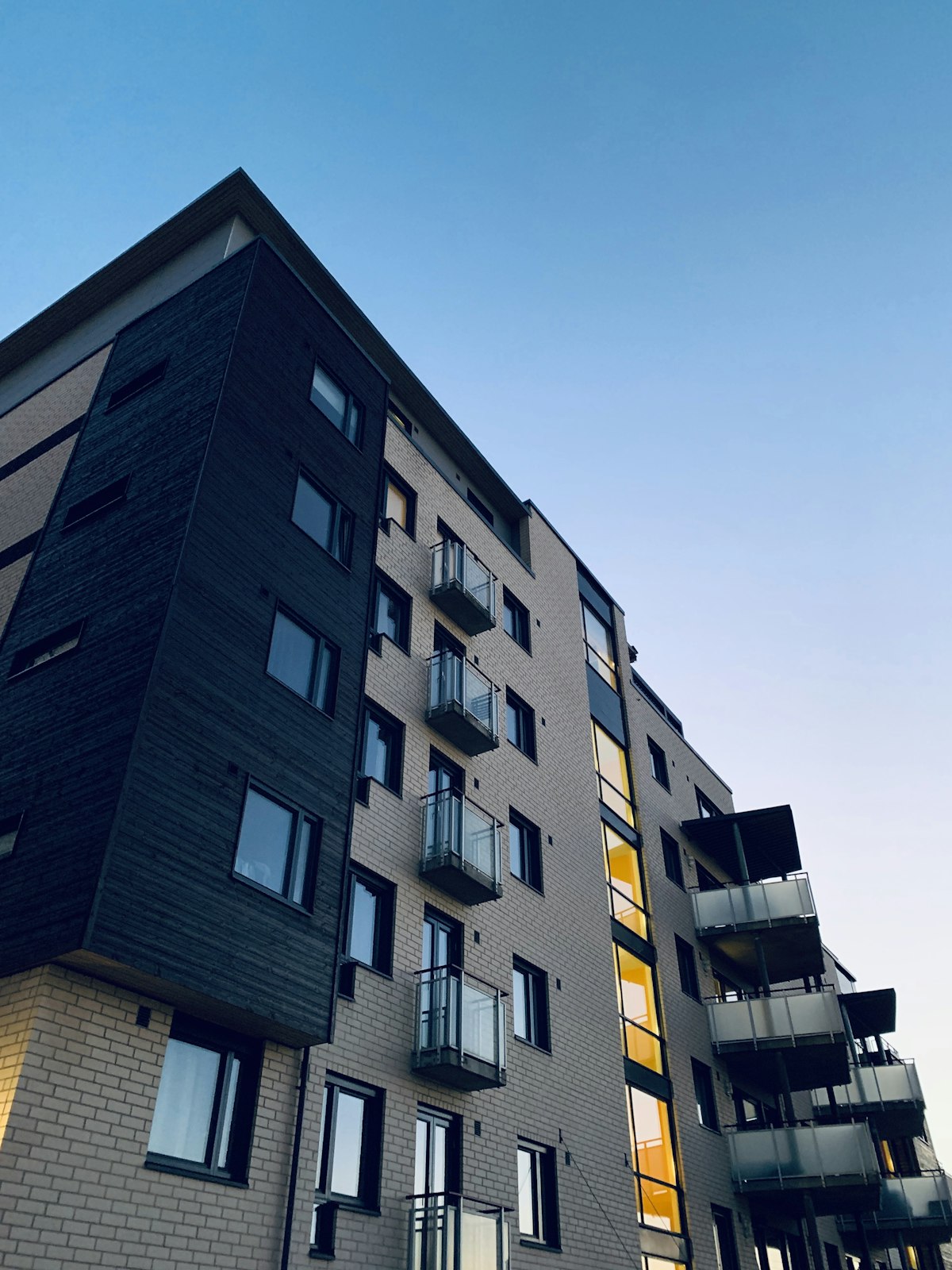
1. Condominium (Freehold)
Thai law (Condominium Act) allows foreigners to own up to 49% of a building's units in full ownership (freehold). This is the simplest and most secure option for a foreign buyer.
Conditions:
- ◆The 49% foreign unit quota must not be reached
- ◆Funds must come from abroad (Foreign Exchange Transaction Form)
- ◆Registration at the Land Office
2. Thai Company Ltd.
The most used structure for villa acquisition. The foreigner holds up to 49% of shares, the remaining 51% held by Thai shareholders. This structure, if properly managed, allows control of the land and villa.
Points of attention:
- ◆The company must have real activity (not a shell company)
- ◆Mandatory accounting and annual declarations
- ◆Requires a competent lawyer for structuring
3. Long-Term Leasehold
The 30-year renewable emphyteutic lease is commonly used. It allows full enjoyment of the property for 30 years, with a contractual renewal option.
Leasehold: A Viable Option?
Leasehold is a real right of occupation and use of the property for a determined period. In Thailand, leases are generally structured at 30 years, with renewal clauses.
Advantages of Leasehold
- ◆Purchase price often 20 to 30% lower than equivalent freehold
- ◆Fewer administrative formalities
- ◆No corporate structure needed for villas
- ◆Use and enjoyment rights guaranteed during the lease term
Risks of Leasehold
- ◆Renewal is not guaranteed by law: after 30 years, renewal depends on the owner
- ◆Mandatory registration at the Land Office to be enforceable against third parties
- ◆Resale risk: leasehold resells less well than freehold
- ◆Maximum legal duration: 30 years (30+30+30 leases are not legally guaranteed)
Warning: Some developers advertise "30+30+30 year" leases (90 years). In reality, Thai law only protects the first 30 years. Renewals are contractual and subject to the original owner's goodwill.
Freehold vs Leasehold: Comparison Table
| Criterion | Freehold (Chanote) | Leasehold (30 years) |
|---|---|---|
| Legal security | Maximum | Good (30 years) |
| Duration | Perpetual | 30 years renewable |
| Acquisition cost | Higher | 20-30% cheaper |
| Resale | Easy | More difficult |
| Transmission | Hereditary | Per contract |
| Foreigners (land) | Via company | Directly possible |
Our Recommendation for Investors
For Condos
Freehold remains the best option if the 49% foreign quota is not reached. Full ownership of a condo is simple, secure and easily resellable. Avoid leasehold condos unless the price is very attractive.
For Villas
Prefer a properly managed Thai Company Ltd. structure, or a leasehold with solid contractual clauses (compensation clause in case of non-renewal, right of first refusal, etc.). In all cases, be accompanied by an independent lawyer specialized in Thai real estate law.
For Land
Chanote land via a Thai company remains the most secure option for long-term investment. Always verify the title at the Land Office before any commitment.
Mistakes to Avoid
- ◆Buying without verifying the land title at the Land Office
- ◆Trusting a developer without an independent lawyer
- ◆Choosing a 30+30+30 leasehold without understanding renewal risks
- ◆Using a shell company without real activity
- ◆Neglecting additional costs (transfer, lawyer, accounting)
Conclusion
The choice between freehold and leasehold depends on your investor profile, budget and investment horizon. Freehold offers maximum security but costs more, while leasehold is more accessible but carries renewal risks. In all cases, accompaniment by an independent professional is essential.
The JLT Estate team works with trusted partner lawyers to guide you through all these legal procedures. Contact us to evaluate the best option for your project.